
Southern Winds
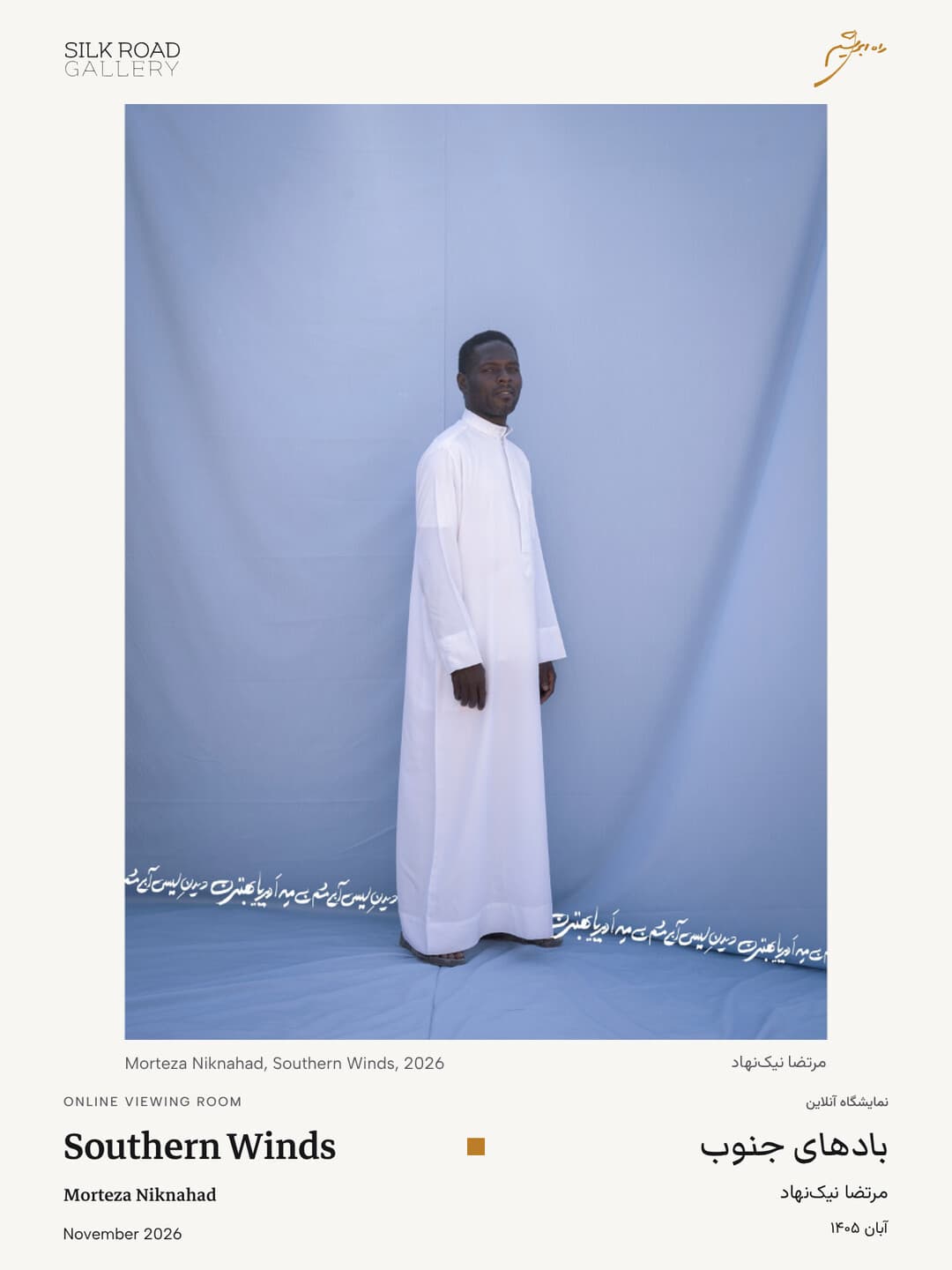
Located in southern Iran, Hormozgan Province encompasses more than 2,000 kilometers of coastline and 14 islands, embracing a diverse range of coastal ecosystems and cultures. From east to west, this landscape reveals a rich spectrum of colors, traditional attire, and faces. In their enduring connection with the sea, coastal families have shaped the human history of this land along the waters of the Persian Gulf and the Sea of Oman.
Following the outbreak of war in the Persian Gulf, people began to reflect on their emotional and spiritual bond with the sea—a profound connection between water and the human body. Beyond geography, the sea is part of the collective memory of coastal communities, embodying a sense of freedom and liberation through its connection to open waters.
Although the Persian Gulf often appears in the background of family photographs, it is, in fact, the very setting for human presence and an inseparable part of people’s memory, lives, and identity—as if, over time, the sea itself has become a member of the family.
Over the years, I have travelled to the most remote islands of the Persian Gulf and the Strait of Hormuz, meeting people who carry the history and memory of these coastal lands. Sometimes, a single photograph is all that remains of them. This led me to search through the archives of the islands’ oldest photography studios, in an effort to find these images and uncover the stories hidden behind the faces.
Some communities surrounding the Strait of Hormuz have gradually emerged through the intermingling of diverse ancestries. Over the centuries, maritime trade opened routes for migration, turning the sea into a space where cultures encountered and blended with one another.
The cultural diversity of the Persian Gulf coast took on new dimensions as Hormuzgani sailors travelled to Indian ports and Indian migrants came to Hormozgan in search of work and a place to live. Marriages between Iranians and Indians paved the way for the introduction of Indian languages, traditions, clothing, and cultural practices into southern Iran.
The cultural landscape of Iran’s southern coastline has always been shaped by historical and social developments. Among the most significant changes in recent decades has been the transformation of women’s social position and the challenging of patriarchal structures, which have reshaped the image of society.
The people of the Persian Gulf coast have expressed their emotional bonds with their homeland and natural environment through literature and music. Their attachment to poetry and place finds expression in music, which has become a shared medium for the formation of collective memory.
Living beside a sea that opens onto the waters of the wider world may nurture a sense of openness and freedom among its people. The sea has always been a passage to distant worlds and an encounter with diverse cultures. The identity of these coastal communities has been shaped by a longstanding relationship between the sea, travel, cultural diversity, and a deep sense of belonging to their land.
The sea, coastal landscapes, and natural elements have influenced the lives and worldviews of the people of this region. The colours, forms, and shapes found here are also deeply rooted in the climate and natural characteristics of this land.
The sea has embedded the concepts of distance and travel into the lives of coastal communities. Sailors would embark on journeys lasting several months, travelling to African ports for trade and the exchange of goods. During their absence, women assumed responsibility for managing households and raising children.
Over the past century, events such as the unveiling decree under Reza Shah during the first Pahlavi era, economic recession, the 1979 Revolution, the eight-year Iran–Iraq War, and insecurity in the Persian Gulf triggered waves of Iranian migration to the Arab countries along its southern shores. Following their departure, Iranians maintained their emotional connections through the exchange of postcards on national occasions.
The people living along the coasts of the Persian Gulf experience changes in weather through seasonal and interseasonal winds. Yet there are other winds, too—winds that blow unexpectedly, without warning or prediction, bringing about profound social and historical transformations. I call these powerful, history-shaping forces “The Wind That Changes History.”
When war broke out in the Persian Gulf and concerns grew over its potential consequences, I found myself thinking of the people I knew across its various islands: those who are no longer here and those who remain. I called this collection of connections Kinship Map—an attempt to trace my relationships with the people, memories, and different islands of the Persian Gulf.
For many years, my grandfather owned a shop on one of Bandar Abbas’s most prominent coastal boulevards, facing the sea. He recalls the events the sea has witnessed: from romantic rendezvous and people’s anticipation of the arrival of the Queen of Iran to political clashes and the days of the Revolution.
Archival prints of these works are available to order.
Inquire